Death Valley Trail Marathon
Death Valley, United States of America · Saturday 6 December 2025
RoadFull Marathon
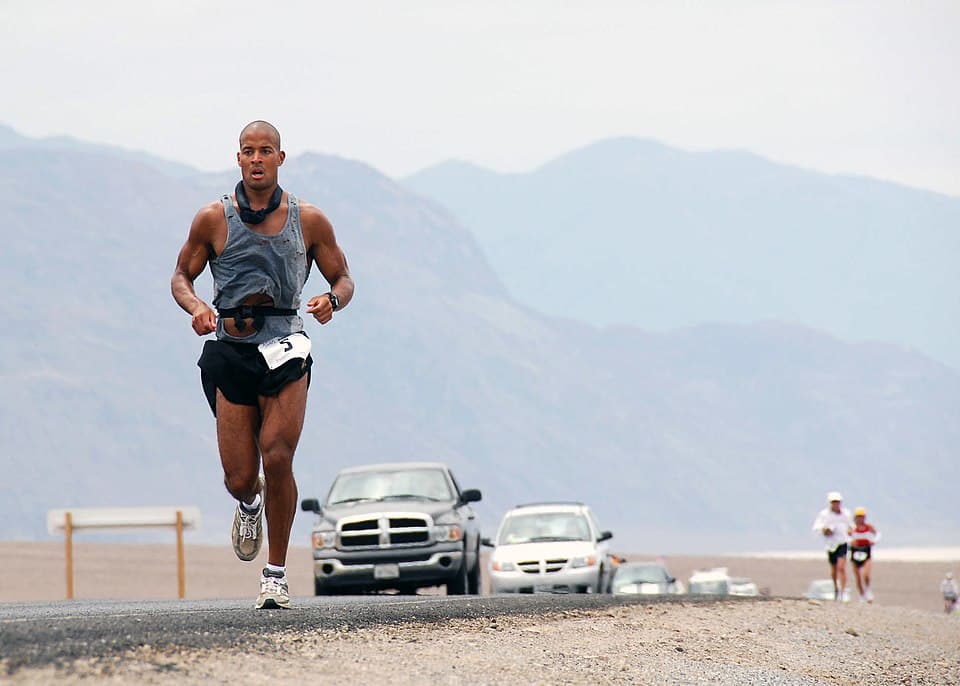
This race works best for runners who thrive in extreme heat and don't mind a bit of suffering. The December timing helps, but Death Valley is still scorching even in winter, and the elevation changes across the course mean you'll face significant altitude variation as you move between the low points and higher terrain. You need to be comfortable with self-sufficiency, solid pacing discipline, and the mental toughness to keep moving when conditions get harsh. If you've done desert running before and know how to manage heat, nutrition, and hydration over distance, this could be your kind of challenge. Runners seeking a fast, comfortable marathon experience should look elsewhere. The course presents a deceptive profile. While it shows flat to gently rolling terrain, the fact that you'll start at one elevation and potentially climb to 1600 meters above sea level means this isn't the straightforward course the description might suggest. Death Valley's landscape is relentless rather than dramatic, with sparse scenery and long stretches of exposed running. The road surface is stable, which is good for your legs, but there's minimal shade or shelter from the elements. The real difficulty isn't technical or steep but rather the cumulative effect of heat, distance, and the psychological weight of running through an unforgiving environment. Respect the desert or it will humble you, and make sure your support crew and aid station strategy is locked down well before race day.
Difficulty Calculator
h
:m
:s
Adjusted Time
3:52:59
Time difference: -7.0 minutes compared to a flat, road, temperate course.
Course Details
Elevation Gain0m
Elevation High1600m
Elevation Low76m
Death Valley Trail Marathon 2025 Course Analysis
Death Valley Trail Marathon is a full marathon held in Death Valley, United States of America, scheduled for Saturday 6 December 2025. The course is run on road surface with 0m of total elevation gain, reaching a maximum altitude of 1600m above sea level.
Elevation Profile
This is a very flat course with only 0m of total elevation gain across the full distance. The course ranges from 76m to 1600m above sea level — a 1524m elevation range that makes it one of the flatter races available. Runners targeting a personal best will appreciate the minimal climbing.
Surface Type: Road
Death Valley Trail Marathon is run on road surfaces, which provide the fastest and most predictable conditions for marathon running. Road courses allow for consistent pacing and are typically the best choice for runners targeting a personal best time.
How Difficult Is Death Valley Trail Marathon?
Our difficulty rating for Death Valley Trail Marathon is calculated using a model that combines elevation gain, temperature impact, and surface type. Use the difficulty calculator above to enter your target finish time and see exactly how many minutes this course would add or subtract compared to a perfectly flat, cool, road-based marathon. Faster runners and slower runners are affected differently by the same course conditions, so the difficulty is personalised to your pace.
Looking for an easier marathon or a tougher challenge? You can also compare Death Valley Trail Marathon against other marathons to find the right race for your goals.
Other Marathons in United States of America
Yuengling Shamrock Marathon
Virginia Beach, United States of America
Road82m gainMar 2025
Charlottesville Marathon
Charlottesville, United States of America
Road0m gainApr 2025
Martian Invasion of Races
Dearborn, United States of America
Road119m gainApr 2025
Wenatchee Marathon
Wenatchee, United States of America
Road0m gainApr 2025
Eisenhower Marathon
Abilene, United States of America
Road133m gainApr 2025